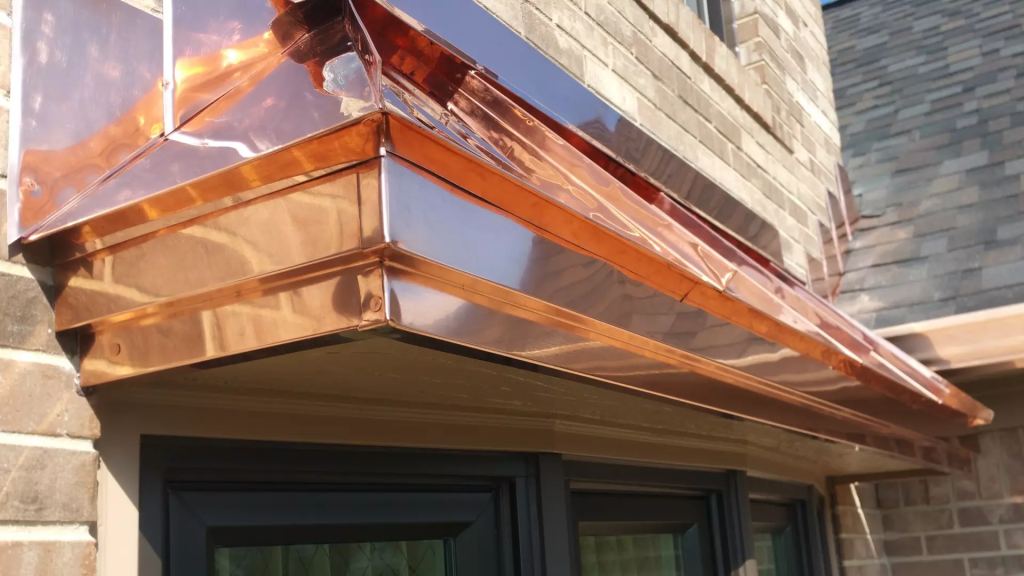
Copper has long been celebrated for its unique properties and versatility, particularly in the realm of architecture. Among the various applications of copper, one that stands out is its use in building fascia. Copper fascia not only enhances the aesthetic appeal of a building but also offers unparalleled durability and long-term value. In this article, we will explore the many reasons why copper fascia is an excellent choice for both modern and traditional architecture, delving into its benefits, applications, and the enduring appeal of this remarkable material.
The Aesthetic Appeal of Copper Fascia
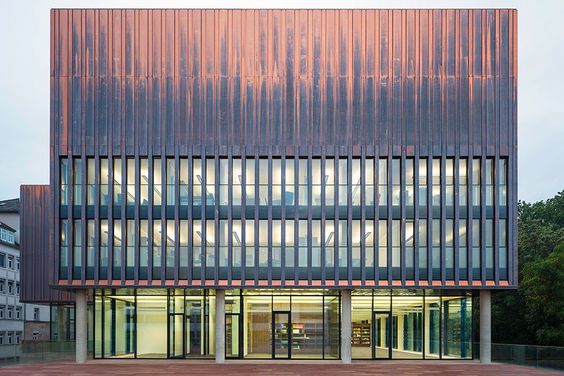
One of the most compelling reasons to choose copper for building fascia is its visual appeal. Copper’s warm, rich hue adds a touch of sophistication to any structure. Over time, copper develops a natural patina—a layer of greenish-blue oxidation that occurs when copper is exposed to the elements. This patina not only serves as a protective layer but also gives the building a distinctive and elegant appearance. The transformation from shiny, reddish-brown to the verdigris hue is gradual and can be appreciated over decades, giving buildings a dynamic, evolving look that reflects the passage of time.
The versatility of copper allows it to complement a wide range of architectural styles. Whether used in modern, minimalist designs or in more traditional, ornate structures, copper fascia can be customized to fit the desired aesthetic. Its malleability means it can be formed into various shapes and sizes, providing architects and builders with a high degree of creative freedom. This adaptability makes copper a popular choice for fascia in both residential and commercial buildings.
Durability and Longevity
Copper is renowned for its durability, making it an ideal material for building fascia. Unlike other materials that may crack, warp, or deteriorate over time, copper is highly resistant to the elements. It does not rust or corrode, even in harsh weather conditions, which means it can last for centuries with minimal maintenance. This long lifespan makes copper fascia a cost-effective choice in the long run, as it does not require frequent replacements or repairs.
The patina that forms on copper over time acts as a natural barrier against corrosion, further enhancing its durability. This protective layer ensures that the underlying metal remains intact, even in the face of environmental pollutants and varying weather conditions. Additionally, copper is resistant to biological growth such as mold, mildew, and algae, which can be problematic for other building materials.
The low maintenance requirements of copper fascia also contribute to its appeal. While other materials may need regular painting, sealing, or cleaning, copper requires little to no upkeep. This not only reduces the long-term costs associated with building maintenance but also lessens the environmental impact, as fewer resources are needed for maintenance and upkeep.
Sustainability and Environmental Benefits
In today’s environmentally conscious world, the sustainability of building materials is a key consideration. Copper is a highly sustainable material, as it is 100% recyclable without any loss of quality. This means that copper fascia can be recycled and reused at the end of its life, reducing the demand for new raw materials and minimizing waste. The recycling process for copper is also energy-efficient, further reducing its environmental footprint.
Copper mining and production have become increasingly sustainable over the years, with advancements in technology and practices that minimize environmental impact. Many copper producers now follow strict environmental regulations and work to reduce the carbon footprint associated with copper extraction and processing. As a result, copper fascia is not only a durable and aesthetically pleasing choice but also an environmentally responsible one.
Moreover, copper’s durability and long lifespan mean that buildings using copper fascia are less likely to require frequent renovations or repairs, which can be resource-intensive. This long-term sustainability makes copper an attractive option for those looking to build or renovate with the environment in mind.

Applications of Copper Fascia
Copper fascia can be used in a variety of architectural applications, from residential homes to commercial and institutional buildings. Its versatility and durability make it suitable for a wide range of climates and environments. Here are some common applications of copper fascia:
- Residential Buildings: Copper fascia is often used in high-end residential homes to add a touch of luxury and elegance. It can be applied to various parts of the home, including the roofline, eaves, and soffits. The natural patina that develops over time gives homes a timeless, classic look that can enhance curb appeal and increase property value.
- Commercial Buildings: In commercial architecture, copper fascia is frequently used to create a distinctive, high-end appearance. It can be found in office buildings, hotels, and retail spaces, where it helps to convey a sense of prestige and sophistication. Copper’s durability ensures that these buildings maintain their appearance and value over time, even in busy urban environments.
- Institutional Buildings: Copper fascia is also popular in institutional buildings such as universities, museums, and government buildings. These structures often require materials that can withstand the test of time, and copper’s longevity and low maintenance make it an ideal choice. Additionally, the evolving patina of copper can symbolize the institution’s history and legacy, making it a meaningful addition to such buildings.
- Historic Renovations: Copper fascia is often used in the restoration of historic buildings. Its ability to mimic the appearance of traditional materials while providing modern durability makes it a popular choice for preserving the architectural integrity of older structures. Copper can be shaped and molded to match the original design elements, ensuring that renovations are both accurate and long-lasting.
Installation and Maintenance
While copper fascia offers many benefits, proper installation is key to maximizing its performance and longevity. It’s essential to work with experienced professionals who understand the unique properties of copper and can install it correctly. This includes ensuring that the fascia is securely attached to the building and that there is proper ventilation to prevent any moisture buildup behind the fascia, which could cause issues over time.
Once installed, copper fascia requires minimal maintenance. The patina that forms on copper acts as a protective barrier, so there is no need to apply sealants or coatings. However, if a building owner prefers to maintain the shiny, reddish-brown appearance of new copper, this can be achieved through the regular application of a clear lacquer or wax coating. Otherwise, the copper can be left to develop its natural patina over time.
In the rare event that the fascia needs cleaning, it can be done with a mild detergent and water, followed by rinsing with clean water. Harsh chemicals and abrasive materials should be avoided, as they can damage the patina or the copper itself.

The Enduring Appeal of Copper Fascia
In conclusion, copper fascia offers a unique combination of aesthetic appeal, durability, and sustainability that makes it an ideal choice for a wide range of architectural applications. Its ability to evolve over time, developing a beautiful patina that tells the story of the building, adds a layer of historical and artistic value to any structure. Whether used in residential, commercial, or institutional buildings, copper fascia provides a timeless elegance that enhances the overall look and feel of the architecture.
With its long lifespan, minimal maintenance requirements, and environmental benefits, copper fascia represents an investment in the future. As more architects, builders, and property owners recognize the value of this remarkable material, the use of copper in building fascia is likely to continue growing. For those looking to create buildings that stand the test of time, copper fascia is a choice that delivers both beauty and durability for generations to come.
-page-001-1024x695.jpg)