A gutter is a channel, typically made of metal, plastic, or other materials, installed along the edges of a roof to collect and direct rainwater away from the building’s structure. Gutters play a crucial role in managing water runoff, helping to prevent issues such as:
- Water Damage: By directing rainwater away from the roof and foundation, gutters help minimize the risk of leaks, mold growth, and structural damage.
- Erosion: Properly functioning gutters reduce soil erosion around the foundation of a building by preventing excessive water flow that can wash away soil.
- Ice Dams: In colder climates, gutters help manage melting snow and ice during winter, reducing the risk of ice dams forming on roofs.
- Landscape Protection: By controlling drainage, gutters help protect landscaping, driveways, and walkways from water pooling and possible damage.
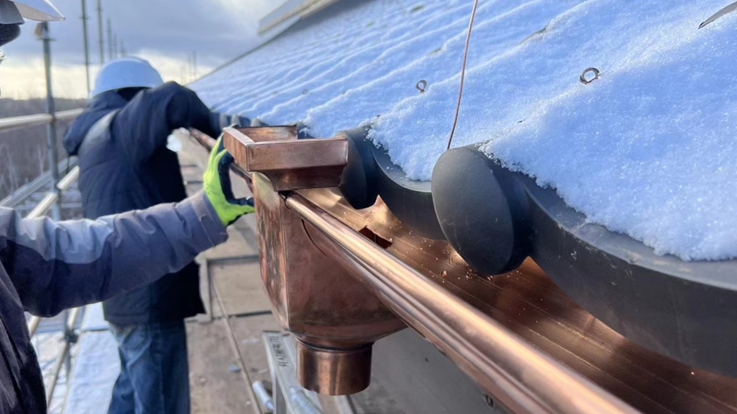
Installing copper gutter system in Canada, supplied by Gens
The origin of gutters dates back to ancient civilizations, where early forms of water management systems were developed to control rainwater and prevent damage to buildings. Here are some key points regarding the historical development of gutters:
- Ancient Civilizations:
- The earliest known gutters can be traced back to ancient Mesopotamia (modern-day Iraq) around 3000 BC, where rudimentary channels were created to manage irrigation and water runoff.
- Ancient Romans are credited with developing more advanced gutter systems, particularly in their aqueducts and urban infrastructure. They used stone and clay materials to build gutters that directed rainwater away from buildings and streets.
- Medieval Europe:
- By the medieval period, buildings often featured eaves and overhangs that allowed rainwater to collect and be channeled away from the structure. Wooden gutters became common in this era.
- The use of lead gutters also became prevalent during this time, especially in churches and important buildings.
- 19th Century Innovations:
- The industrial revolution saw the introduction of cast iron gutters in the 19th century, offering greater durability and effectiveness in managing water runoff.
- This period also marked the beginning of factory-produced gutters, leading to more standardized sizes and styles.
- Modern Developments:
- In the 20th century, materials like aluminum, vinyl, and copper became widely used for gutters, offering different aesthetic and functional benefits.
- Today, gutters are an essential part of building construction worldwide, engineered to suit various climates and architectural styles.

Maison de Jeanne, France which is built in the 15th century with copper gutter system Source: Wikipedia
Overall, the development of gutter systems has evolved significantly from ancient rudimentary channels to today’s sophisticated designs, all aimed at effectively managing rainwater and protecting infrastructure.
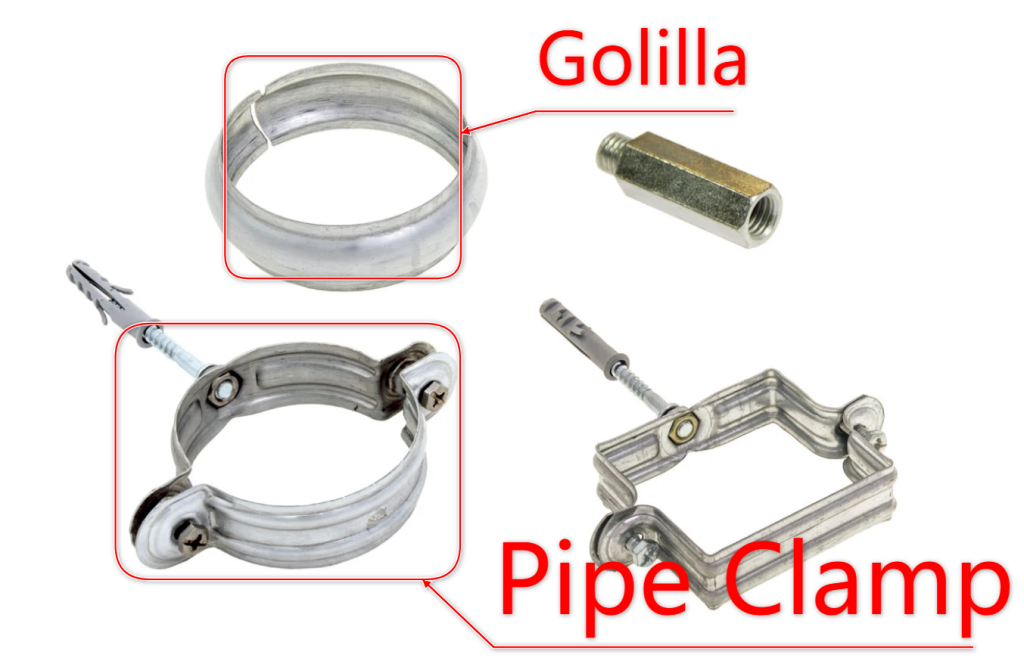
Gutters are typically equipped with downspouts that carry the collected water down to the ground level and often discharge it into drainage systems or away from the building. They come in various shapes (like K-style and half-round), sizes, and materials to suit different building needs and architectural styles. Regular maintenance, including cleaning and inspections, is essential to ensure that gutters function effectively.
The most common shapes include:
1. K-Style Gutters: The most popular type, K-style gutters have a flat bottom and a decorative front that resembles crown molding. They can hold more water compared to other styles and come in various sizes.

Gens copper K-type gutter with square downspout and accessories
2. Half-Round Gutters: These gutters are semi-circular in shape and are typically seen in older homes or in traditional architecture. They provide an appealing aesthetic but may have a smaller capacity compared to K-style gutters.

Gens half-round gutter with downspout and accessories
3. Box Gutters: These are larger and more rectangular, often integrated into the structure of the building, such as a roof or wall. They are commonly used in commercial buildings and provide excellent water capacity.

Different box gutters Source: internet
4. Fascia Gutters: These are a type of box gutter that is mounted on the fascia board, providing a seamless look. They are often used in modern designs.

Fascia gutter Source: internet
5. Concealed Gutters: Installed within the roof structure, these gutters are hidden from view, providing a clean and streamlined appearance.

Concealed gutter Source: arch-products.com
These various shapes accommodate different architectural styles and hydrological needs, allowing for effective water management in diverse environments.
In the industry, there are various materials for making gutters, while several types of metal gutters for stronger performance and more aesthetic applications, each with its own characteristics and applications. The most common types include:
- Aluminum Gutters: Lightweight and resistant to rust, aluminum gutters are popular for their durability and ease of installation. They can be painted and come in various colors.

Painted aluminium gutter Source: internet
1. Steel Gutters: These gutters offer strength and durability. They are often galvanized to prevent rusting but can also be painted. Stainless steel gutters are another option, providing additional corrosion resistance.

Stainless steel gutter system Source: internet
2. Copper Gutters: Known for their aesthetic appeal and long lifespan, copper gutters develop a patina over time. They are more expensive than other materials but provide a unique look and excellent durability.

Gens retro black copper gutter with round downspout
3. Zinc Gutters: Similar to copper, zinc gutters are highly durable and develop a patina. They are less common than other materials and are often used in high-end applications.

Zinc gutter system Source: internet
4. Galvanized Steel Gutters: These are steel gutters coated with a layer of zinc to prevent rust, making them a more economical choice with decent durability.

Galvanized steel gutter Source: internet
5. Painted Steel Gutters: Steel gutters that have been pre-finished with paint for additional protection and aesthetic options.

Painted steel half-round gutter Source: internet
6. Drained Gutters: These specialized gutters are designed to manage drainage in specific architectural applications.

Fibre-reinforced concrete drain gutter Source: internet
Each type has its advantages and disadvantages, which can influence the choice of gutter material based on factors such as budget, climate, and aesthetic preferences.
Determining the “largest” manufacturer of copper gutters from China can be subjective and may depend on specific criteria such as quality, pricing, customer service, and delivery efficiency. However, several well-known manufacturers and suppliers in China are recognized for producing high-quality copper gutters and related products. Some notable companies include:
- Fujian Gens Metal Technology Development Co., Ltd.: It is known among the industry and customer as the largest professional copper guttering and metal architectural roofing and interior&exterior decoration product manufacturer in China, has been supplying to domestic and overseas customers including Disneyland, Universal Studios, etc..
- Jiangsu Guotai International Group: This company is known for various metal products, including gutters, and has a reputation for quality and reliability.
- Zhejiang Weiwei Metal Products Co., Ltd.: Specializing in metal roofing and gutter systems, they offer a variety of options, including copper gutters.
- Shandong Changyu Building Materials Co., Ltd.: They manufacture a range of building materials, including some high-quality gutter systems.
- Hangzhou Zhongcai Building Materials Co., Ltd.: Known for their copper and aluminum gutters, they are recognized for both quality and competitive pricing.
- Tianjin Youneng International Trade Co., Ltd.: They specialize in various building materials, including copper gutters, and have done well in international markets.

Gens factory camp
When selecting a manufacturer, it’s advisable to conduct thorough research, read reviews, and, if possible, test samples to ensure they meet your specific requirements. You can also consider reaching out to trade associations or industry contacts to gain additional insights into reputable manufacturers.