Introduction
Copper fascia is rapidly gaining popularity in the world of architecture and exterior design. Known for its durability, aesthetic appeal, and weather-resistant properties, copper fascia is a favored choice among homeowners and builders looking for both functionality and beauty in their exteriors. This article explores what makes copper fascia stand out, from its unique benefits to its visual appeal, and examines the growing demand for copper fascia in the global market.
What Is Copper Fascia?
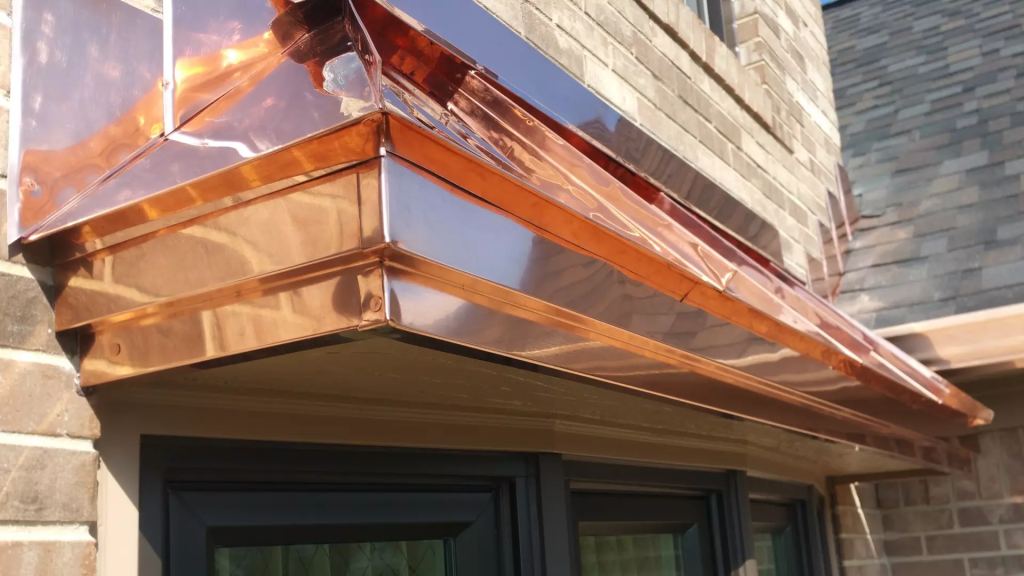
Copper fascia refers to the board or panel placed along the edge of a roof to cover the end of the rafters, providing both structural support and an aesthetic finish. Fascia, in general, protects the roof’s edge and forms a barrier against the elements, preventing moisture from seeping into the building. When made from copper, fascia becomes more durable and resilient to harsh weather, while also contributing a classic, sophisticated look to any property.
Key Functions of Copper Fascia
1. Protection Against Weather Elements
One of the most critical functions of fascia is to protect a building’s structural integrity from environmental factors such as rain, snow, wind, and sun. Copper fascia excels in this role, providing a robust, weatherproof barrier that safeguards the edge of the roof. Copper’s natural resistance to rust and corrosion ensures that the fascia will withstand moisture and temperature fluctuations, reducing the risk of structural damage over time.
2. Structural Support for Gutters
Copper fascia plays a key role in supporting gutter systems. Gutters are often attached to fascia boards, and the strength of copper helps reinforce the gutters, allowing them to bear the weight of heavy rainfall or snow. This support helps prevent sagging or detachment, maintaining an effective drainage system that protects the building’s foundation and landscaping.
3. Enhanced Visual Appeal
Copper fascia provides an elegant, high-end appearance that enhances a building’s curb appeal. Over time, copper develops a natural patina—a greenish layer formed due to oxidation—which adds a unique, weathered look that is highly valued in architectural design. Many homeowners appreciate this transformation, as it contributes to a classic, timeless aesthetic that only improves with age.
Design and Aesthetic Appeal of Copper Fascia
Copper fascia adds a luxurious touch to any architectural style, whether traditional or modern. Here are some design elements that make copper fascia particularly attractive:
Timeless Patina Finish
One of the most desirable aspects of copper fascia is the natural patina it develops over time. This gradual transformation results in a blend of deep browns, greens, and blues that gives each piece of fascia a unique character. This aged look harmonizes well with a variety of exteriors, making copper fascia a versatile option for different architectural styles.
Customizable Options
Copper fascia can be customized in a range of finishes to suit specific design preferences. Options include brushed or polished finishes for a clean, modern look, or textured finishes for a more rustic appeal. Some homeowners choose to seal the copper fascia to maintain its original color, while others prefer to let it age naturally for the authentic patina effect.

Complements Other Copper Architectural Elements
Many architects and homeowners pair copper fascia with other copper features, such as gutters, downspouts, and roofing elements, to create a cohesive exterior design. This coordination not only boosts the aesthetic appeal but also maintains material consistency, further enhancing durability and weather resistance across the exterior.
Copper Fascia Market Growth and Demand
The market for copper fascia has grown significantly in recent years. Rising awareness of copper’s durability, aesthetic qualities, and low-maintenance characteristics has led to increased interest in copper fascia products globally. Here’s a closer look at what’s driving demand:
Eco-Friendly and Sustainable Choice
Copper is a fully recyclable material, making it an environmentally friendly choice. As sustainability becomes more important in building practices, copper fascia offers an eco-friendly alternative to synthetic materials that may not decompose over time. The ability to recycle copper fascia at the end of its lifecycle further reduces environmental impact, appealing to environmentally conscious consumers.
Longevity and Low Maintenance Costs
Copper fascia is highly durable and requires minimal maintenance compared to other materials like wood or aluminum. The natural oxidation process that forms a protective patina eliminates the need for regular painting or staining. This durability translates to cost savings over time, as homeowners can enjoy the benefits of copper fascia without the need for constant upkeep or replacement.
Growing Use in High-End Residential and Commercial Projects
Copper fascia is particularly popular in high-end residential and commercial projects. Its unique appearance and longevity make it a preferred choice for luxury homes, upscale commercial buildings, and historical restorations. The combination of aesthetics, sustainability, and durability gives copper fascia a strong competitive edge in the premium building materials market.
Market Outlook and Forecast
With increasing awareness of copper’s benefits, the global market for copper fascia is projected to expand steadily. North America, Europe, and parts of Asia are seeing strong demand, driven by construction trends that prioritize sustainability and durability. As green building standards continue to influence construction practices, copper fascia is likely to see sustained demand and market growth.
Choosing Copper Fascia: Key Considerations
Cost and Installation
While copper fascia is more expensive than traditional materials, such as wood or aluminum, its longevity and low maintenance costs offer value over the long term. Installation may also require specialized skills due to copper’s weight and unique properties, making it essential to work with experienced contractors familiar with handling copper materials.
Compatibility with Other Roofing Materials
Copper fascia pairs well with a variety of roofing materials, including slate, tile, and asphalt shingles. However, it’s crucial to ensure compatibility between copper and other metals used in roofing to prevent corrosion. Consulting with professionals helps ensure a seamless integration that preserves both aesthetic appeal and structural integrity.
Climate and Environmental Factors
Copper fascia is especially advantageous in areas with high humidity or coastal environments, where resistance to rust and corrosion is essential. The protective patina that forms on copper provides extra protection against harsh climates, making it suitable for diverse geographical locations.

Is Copper Fascia Worth the Investment?
Copper fascia is more than just an architectural accessory—it’s a long-term investment in quality, aesthetics, and sustainability. With its protective properties, unmatched durability, and the distinctive charm of patina over time, copper fascia offers homeowners a unique blend of functionality and beauty. While it may come with a higher upfront cost, the benefits of copper fascia make it a worthwhile addition for those seeking to elevate their property’s exterior.
The growing market for copper fascia reflects an increasing demand for materials that align with modern sustainability goals and design standards. As more builders and homeowners prioritize quality and eco-friendly building solutions, copper fascia stands out as a versatile, durable, and visually appealing choice for any architectural style. Whether you’re renovating a historic property or building a modern home, copper fascia provides a timeless solution that enhances both the resilience and beauty of your exterior.