Copper casting is a more traditional metal forming process. In the copper casting process, copper is heated to a liquid state and then poured into a pre-made mold. After cooling and solidification, it forms a copper product with the same shape as the mold. The copper casting process is widely used in the production of various copper products, including sculptures, architectural components, industrial parts, etc. The advantage of the copper casting process is that it can produce copper products with complex shapes and precise dimensions, and the required mechanical and physical properties can also be obtained by controlling the alloy composition and casting conditions. Because of its specialties, it’s becoming more and more popular among designers, more architects have taken casting copper into consideration for their works.

The former Folk Art Museum in New York Source: Fred R. Conrad/The New York Times
The world’s most famous casting copper project is an 82-foot-high sculptural ensemble of 63 panels, cast in a gorgeous copper-bronze alloy, each panel different from those around it. Some look like lunar landscapes, others like lava flows. They are arrayed in three planes that fold into one another as a palm would crease when closing.
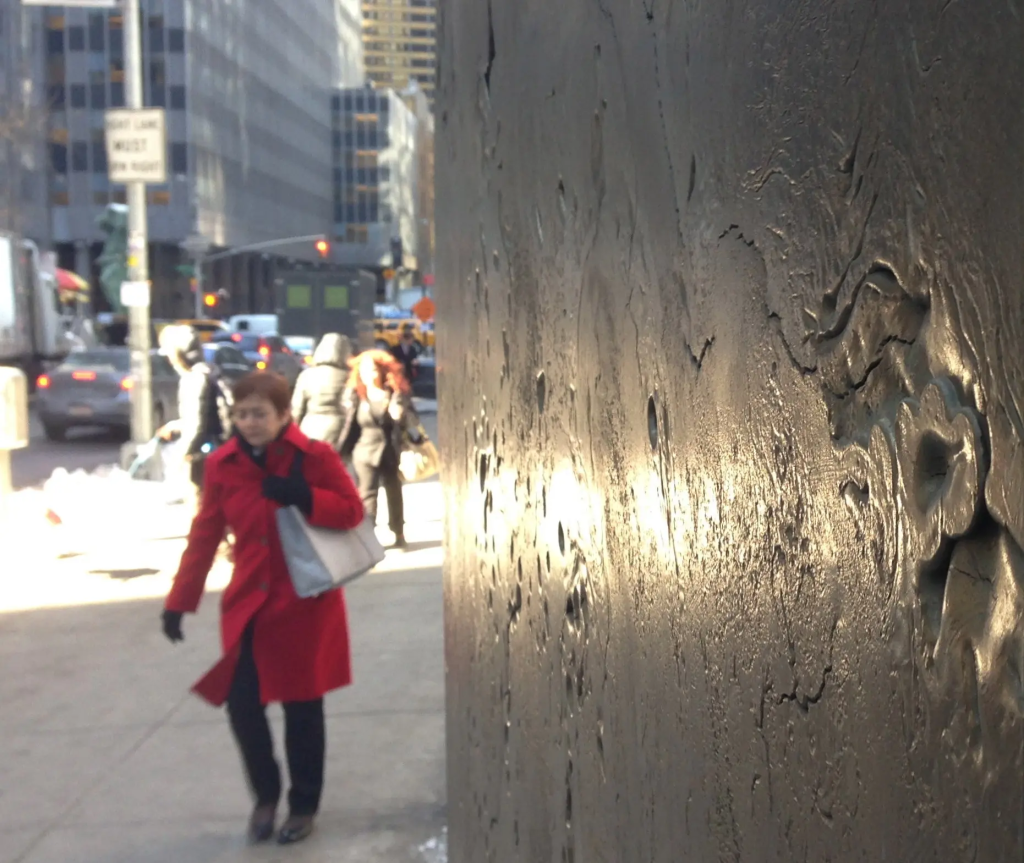
Source: Fred R. Conrad/The New York Times
Together, the panels compose the principal facade of the folk art building at 45 West 53rd Street, the former American Folk Art Museum.
Applications of casting copper sheets:
- Electronics: Used for circuit boards and connectors due to high electrical conductivity.
- Architecture: Decorative applications, roofing, and facades, prized for aesthetic and anti-corrosive properties.
- Automotive: Used in various components for electrical wiring and cooling systems.
- Heat Exchangers: Due to its excellent thermal conductivity, copper sheets are used in heat exchanger applications.
- Art and Craft: Artists use copper sheets for sculptures, engravings, and various crafts.
- Manufacturing: Used in the production of various parts and components across different industries.
Some of us might have heard of molten copper which is similar to casting copper concerned, confusing two, so what is molten copper then? There are obvious differences between molten copper and casting copper in terms of process and results:
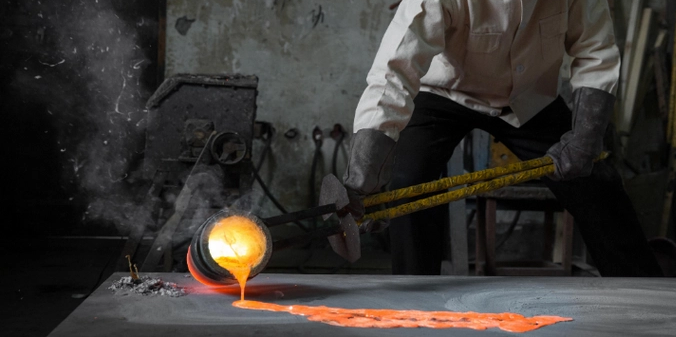
Molten copper process Source: news.artron.net
Molten copper is a special casting process, also known as “moldless controllable casting molding” technology. This process melts copper into molten copper at high temperature (usually 1083℃), and then uses its natural flowing characteristics or the artist’s control to form various unique forms. The art of copper melting was first created by a Chinese arts and crafts master. He used this technology to create a series of works with unique beauty and artistic value. The characteristics of molten copper art are its “moldless” and “controllable”, that is, the molten copper can flow naturally without a mold to form a free form, and it can also be melted and cast into a specific shape under the control of the artist. Molten copper has also been well-known around the world.
Main differences
1. **Process**: Casting copper is more dependent on the shape and size of the mold, while molten copper focuses more on the natural flow of copper liquid and the artist’s control.
Casting copper sheet process by Gens team
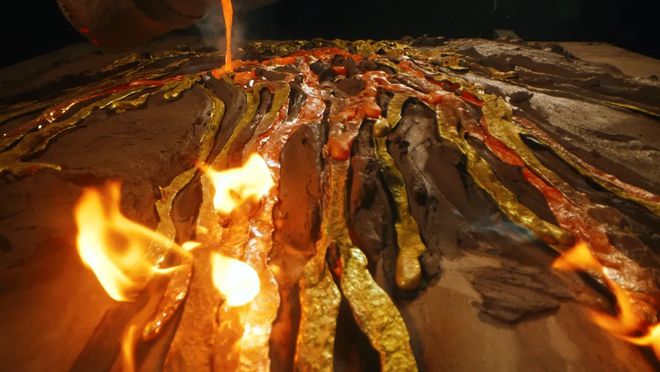
Molten copper Source: 163.com
2. **Result form**: Casting copper works can accurately replicate the shape of the mold, while molten copper works often have unique and unrepeatable forms.
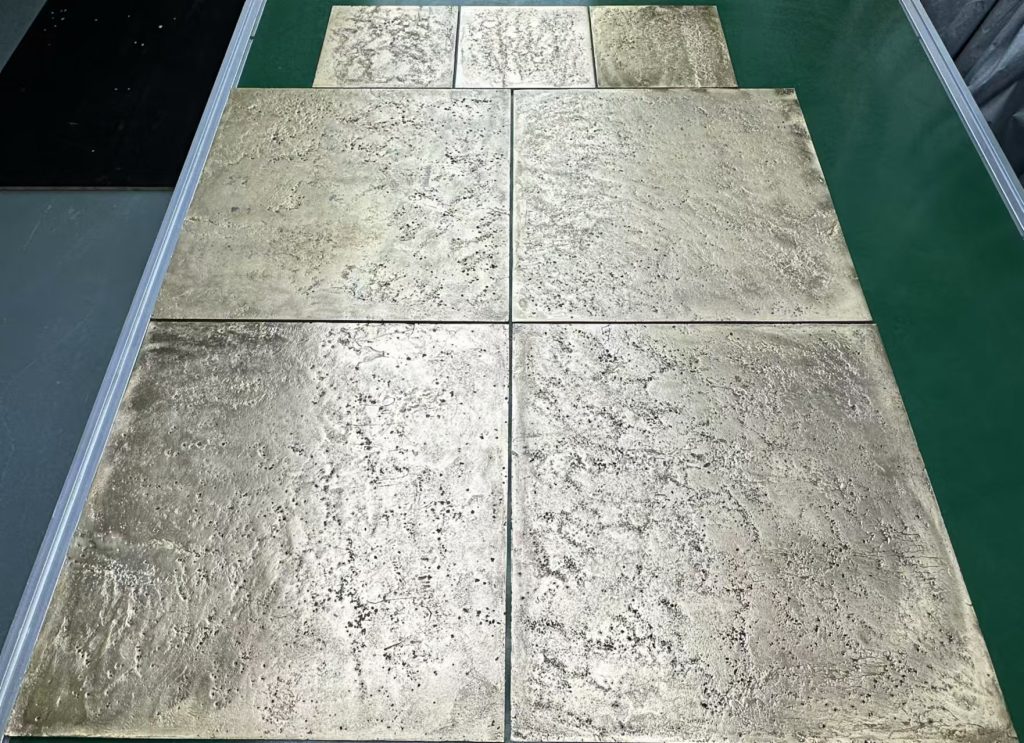
Casting copper panel for wall decoration by Gens
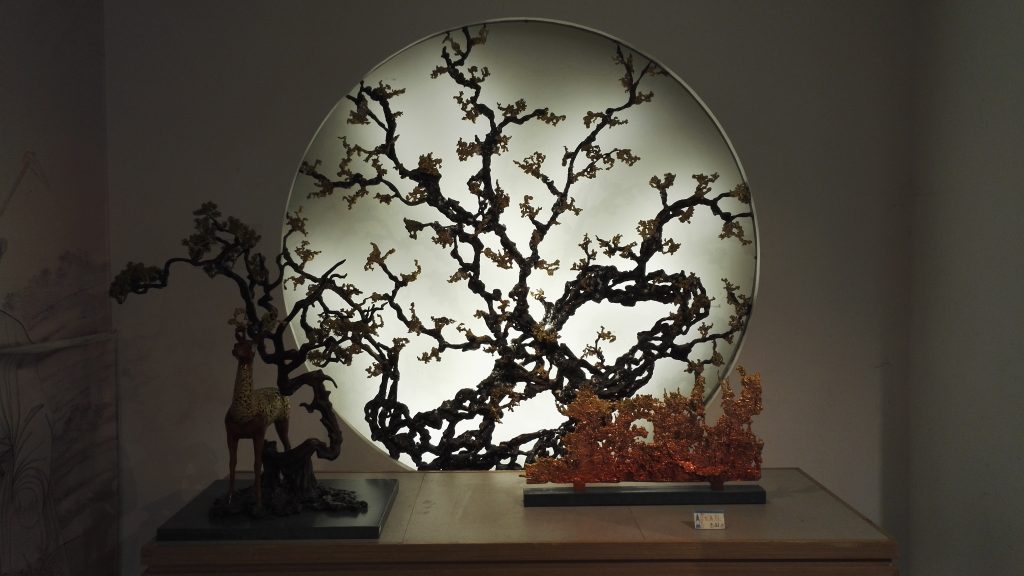
Molten copper decorative arts
3. **Application fields**: Casting copper is widely used in industrial manufacturing and architectural decoration, while molten copper art is more used in artistic creation and high-end crafts.
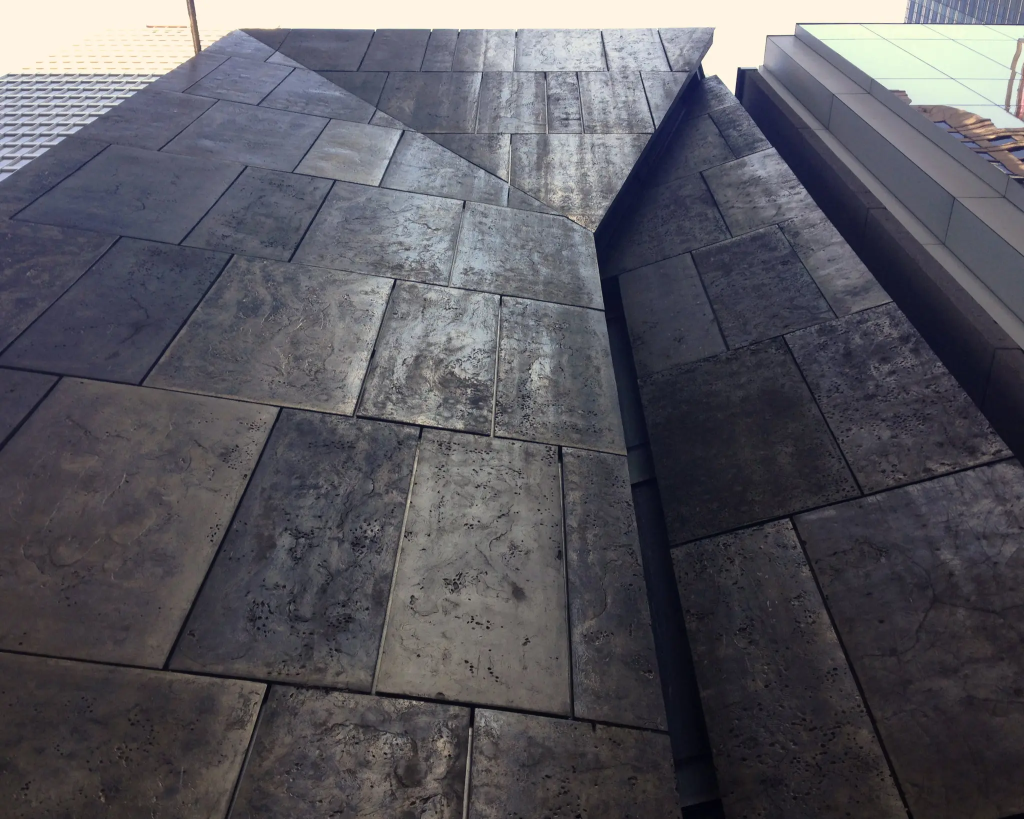
Casting copper curtain wall, The former Folk Art Museum in New York Source: Fred R. Conrad/The New York Times
While the production of copper sheets is predominantly achieved through rolling processes, several manufacturers also engage in casting copper and its alloys, which can be formed into sheets or other products. Here are some of the Top10 notable manufacturers that are involved in the casting of copper or the production of copper products, including sheets:
- Aurubis AG: Although primarily known for its smelting and refining operations, Aurubis also produces a range of copper products, including cast components.
- Luvata: A global manufacturer that produces copper and copper alloy products through both casting and rolling techniques, focusing on applications in diverse industries.
- Fujian Gens Metal Technology Development Co., Ltd.: It’s been the leading manufacturer of all kinds of metal especially copper and brass architectural decoration products in China, has been researching and trying new technologies and processes to create more wonderful solutions for architectural requirement, including casting copper products.
While these companies are involved in copper casting, it’s essential to note that specialized applications and niche markets may have smaller manufacturers focusing exclusively on casting technologies for copper products.