
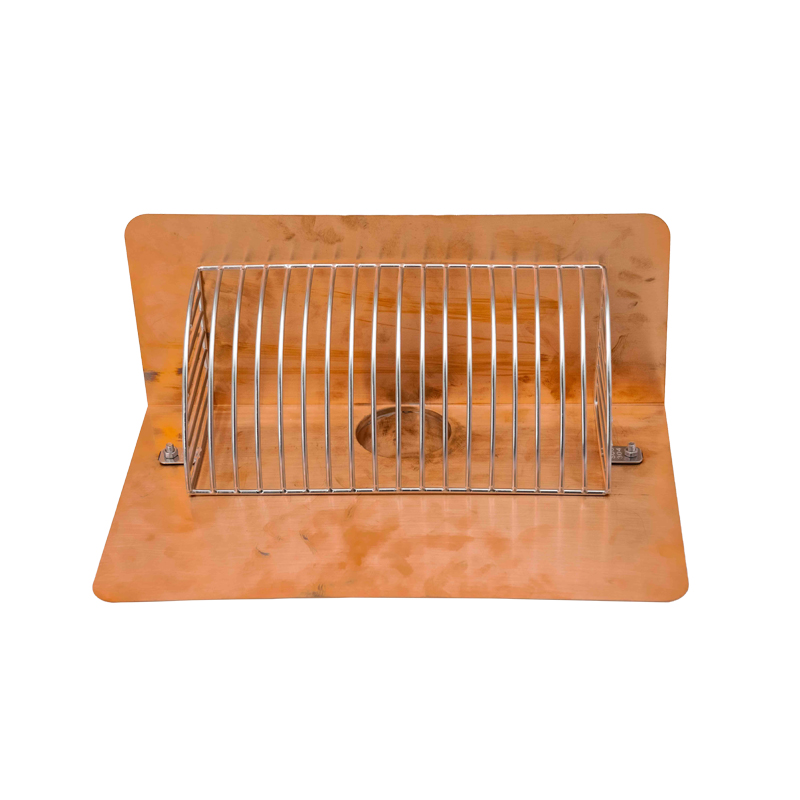
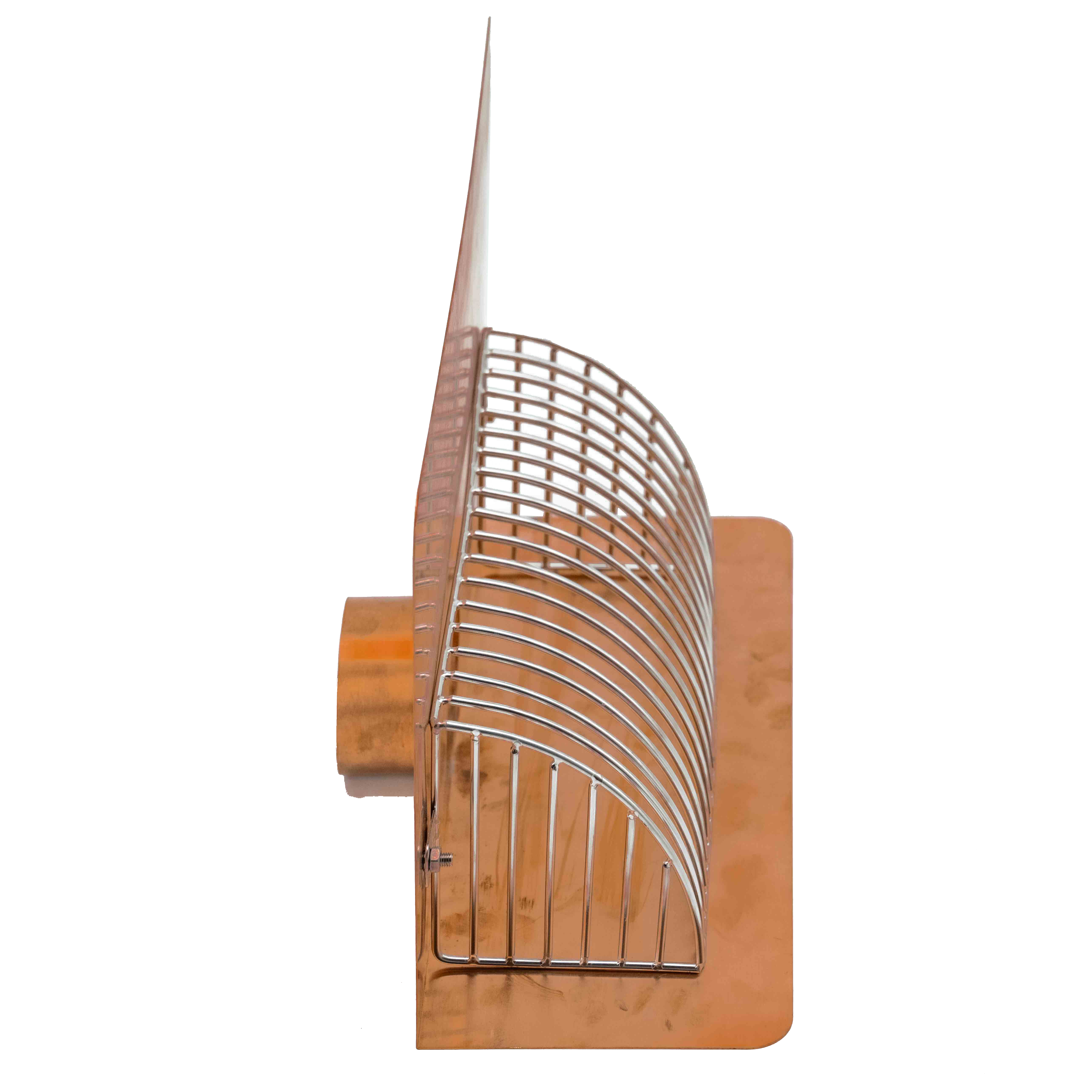
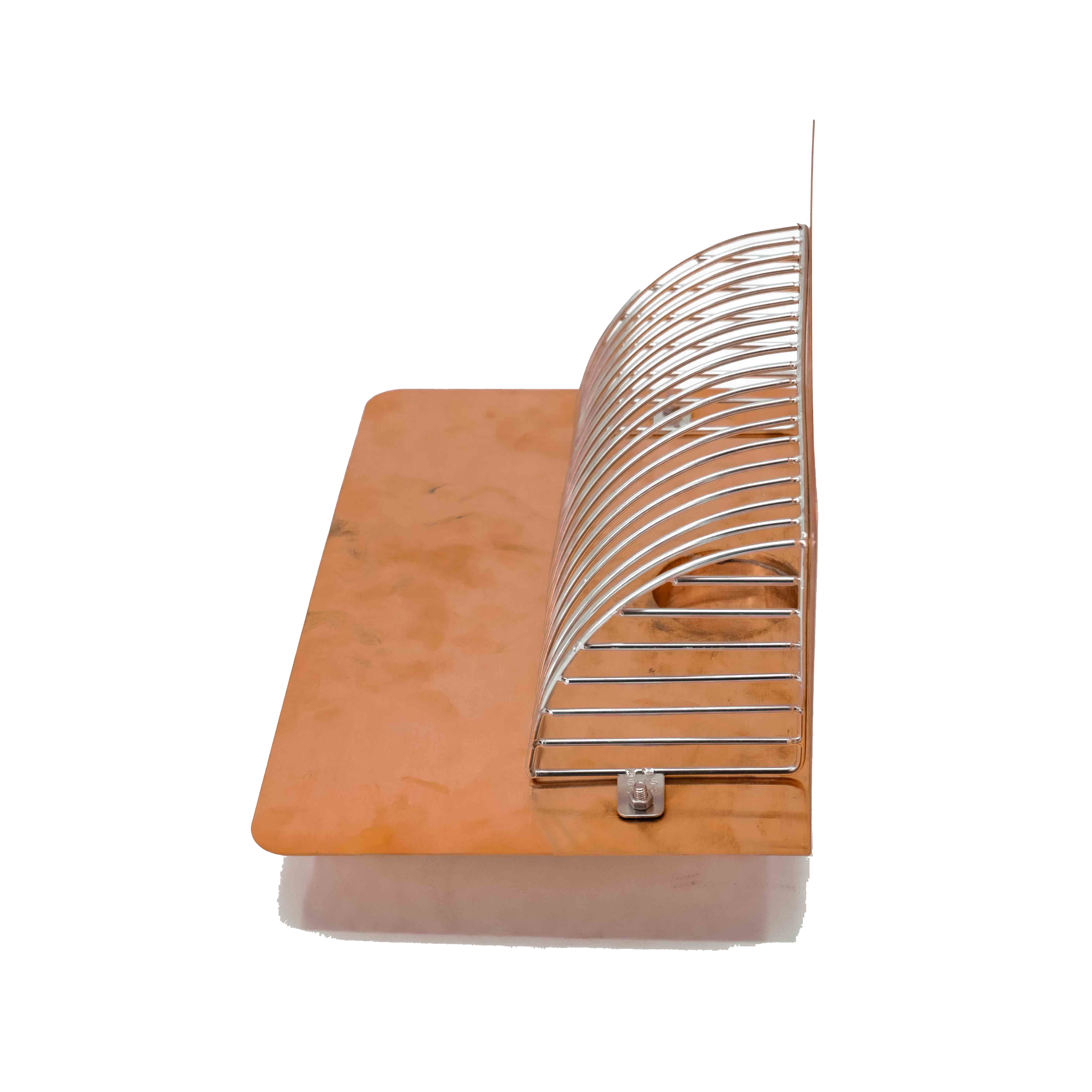
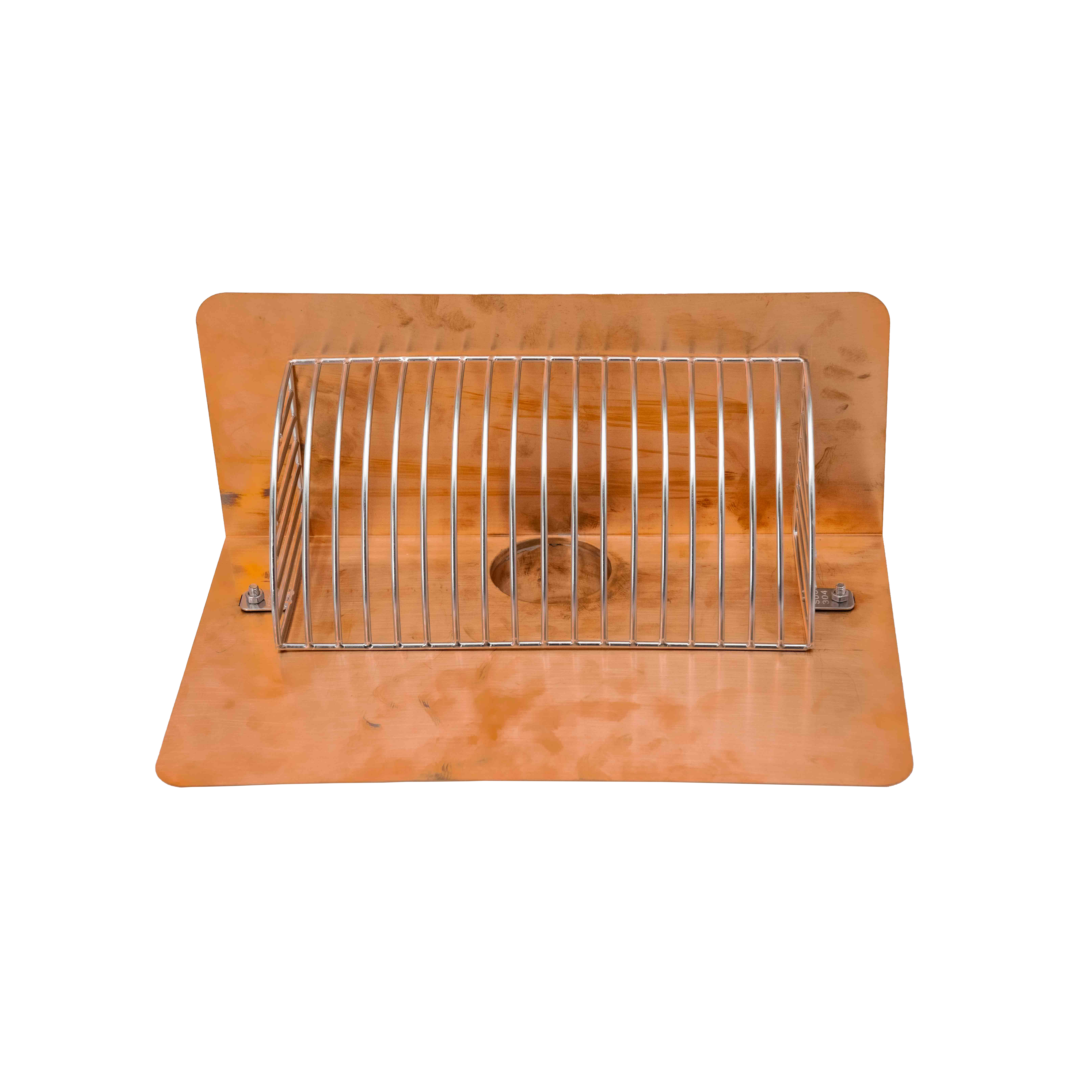
A roof drain is a crucial component of a building’s roofing system designed to efficiently remove rainwater or melted snow from the roof’s surface. Typically installed in flat or low-sloped roofs, roof drains consist of several key components, including a copper drain basin, copper strainer, copper piping, and copper downspout. Copper is a highly durable and corrosion-resistant material, which makes it an excellent choice for roof drain systems.
Rainwater or melting snow accumulates on the roof’s surface and flows towards the roof drain, where it enters the copper drain basin. From there, the water is directed through the copper piping system and ultimately expelled away from the building through a copper downspout or other drainage outlet. The use of copper in these components enhances the system’s longevity and resistance to weathering.
Proper installation and maintenance of roof drains are essential to prevent water buildup on the roof, which can lead to leaks, structural damage, and other issues. By incorporating copper into the roof drain system, you not only improve the system’s durability but also enhance its efficiency in managing water flow. Roof drains play a critical role in protecting the building’s integrity and ensuring effective water management, and the addition of copper components further strengthens this role.


