
When building or renovating a home, understanding the exterior components of your property is essential. From the fascia and soffit to the roof ridge and gutter system, these elements not only contribute to the house’s functionality but also enhance its overall curb appeal. In this guide, we’ll explore what these parts are, their purposes, and why they matter, all while ensuring your home remains weatherproof, visually stunning, and energy-efficient.

What Is Fascia, and Why Is It Important?
Fascia is a critical part of your roofing system. Located just beneath the roofline, it’s the horizontal board that supports the roof’s edge and serves as a connection point for the gutters. Often made from wood, aluminum, or vinyl, fascia boards are also available in premium materials like copper for added durability and aesthetic value.
Benefits of Installing High-Quality Fascia
- Structural Support: Fascia reinforces the roofline, preventing sagging and maintaining roof stability.
- Gutter Attachment: It provides a secure foundation for gutters, ensuring proper water drainage.
- Aesthetic Appeal: Modern fascia designs can complement any architectural style, enhancing your home’s exterior.
- Protection Against Elements: It shields the interior roof structure from wind and water damage.
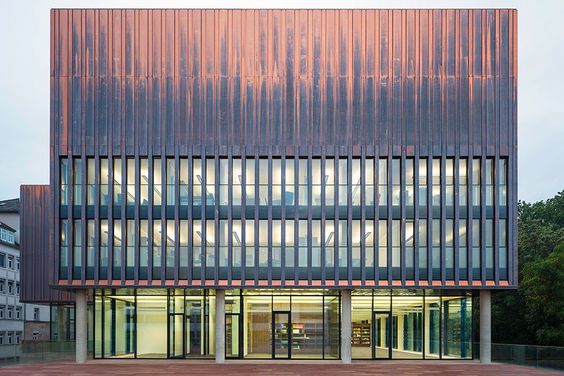
For homeowners seeking a long-lasting solution, copper fascia is a popular choice due to its durability, minimal maintenance, and elegant patina that develops over time.
What Is the Role of Soffit in Your Roofing System?
Soffit is the paneling located underneath the roof’s overhang, connecting the roofline to the house’s exterior wall. This often-overlooked component plays a crucial role in ventilation and maintaining your home’s structural integrity.
Why Is Soffit Essential?
- Ventilation: Soffits allow air to circulate in the attic, reducing heat buildup and preventing moisture accumulation, which can lead to mold.
- Enhanced Energy Efficiency: Proper ventilation reduces cooling costs during hot months.
- Protection from Pests: Soffits create a barrier that prevents insects and small animals from entering the attic.
Whether you choose vinyl, aluminum, or wood soffits, their presence ensures your home remains comfortable, energy-efficient, and structurally sound.
What Are Roof Ridge and Ridge Vents?
The roof ridge is the highest point of your roof, where two roof planes meet. A ridge vent is a ventilation system installed along this ridge, allowing warm air to escape from the attic.

Advantages of Ridge Vents
- Improved Air Circulation: Keeps your attic cool and prevents moisture buildup.
- Energy Efficiency: Reduces the workload on your HVAC system, saving energy costs.
- Extended Roof Lifespan: Minimizes heat damage to shingles.
Adding ridge vents to your roofing system is an investment in both comfort and the long-term durability of your home.
What Is the Purpose of Eaves and Drip Edges?
Eaves are the edges of the roof that overhang the walls, providing shade and directing water away from the house. A drip edge is a metal strip installed along the eaves to guide water into the gutters and prevent it from seeping into the fascia or soffit.

Why Are These Components Critical?
- Water Management: Prevents water infiltration that could damage the roof or walls.
- Aesthetic Enhancement: Cleanly finished eaves and drip edges add to your home’s visual appeal.
- Increased Durability: Protects the underlying woodwork from rot and decay.
By maintaining your eaves and ensuring proper drip edge installation, you’ll safeguard your home from costly water damage.
How Do Gable Vents and Roof Gables Improve Ventilation?
Roof gables are the triangular sections at the ends of a sloped roof, while gable vents are openings in these sections that allow for air circulation. Together, they contribute to the home’s overall ventilation system.

Benefits of Gable Vents
- Reduced Heat Buildup: Keeps attics cool in summer.
- Moisture Control: Prevents condensation, which can lead to mold.
- Enhanced Energy Efficiency: Supports the overall ventilation system, lowering cooling costs.
When paired with ridge vents and soffits, gable vents create a well-balanced ventilation system that keeps your home comfortable year-round.
What Are the Key Differences Between Roof Hips and Dormers?
Roof hips are the external angles formed by the intersection of two roof slopes, while dormers are structures that project from the roof, often housing a window.
Applications of Roof Hips
- Water Drainage: Facilitate proper runoff by directing rainwater toward the gutters.
- Structural Support: Add stability to the roof design.
Benefits of Dormers
- Increased Natural Light: Brighten interior spaces.
- Extra Space: Create additional headroom or storage in the attic.
- Architectural Interest: Enhance the visual appeal of the roofline.
Whether your project involves designing a modern roof hip or adding charming dormers, these features will elevate both functionality and aesthetics.
Why Is Maintaining Exterior Components Essential?
Regular maintenance of your home’s exterior components, including fascia, soffit, gutters, and vents, ensures long-term durability and value. Here’s how you can keep these elements in top shape:
1. Routine Inspections
- Look for signs of damage, such as cracks, leaks, or sagging sections.
- Address issues like peeling paint or rust promptly to prevent further deterioration.
2. Cleaning
- Remove debris from gutters and downspouts to avoid clogs.
- Clean soffits and fascia to maintain their appearance and functionality.
3. Repairs and Upgrades
- Replace damaged fascia boards or soffits with durable materials like copper or aluminum.
- Upgrade to seamless gutters or add gutter guards for improved performance.
By prioritizing maintenance, you’ll save on costly repairs and enhance your home’s curb appeal.
Why Choose Copper Fascia and Soffit for Your Home?
Copper fascia and soffit are premium options that offer unmatched durability, beauty, and low maintenance. Here’s why they’re worth the investment:
- Longevity: Copper can last over 50 years with minimal upkeep.
- Aesthetic Value: Develops a unique patina, adding character to your home.
- Eco-Friendly: Copper is fully recyclable, making it a sustainable choice.
Conclusion: Enhancing Your Home with the Right Exterior Components
Your home’s exterior components—fascia, soffit, gutters, vents, and more—work together to protect, ventilate, and beautify your property. Investing in high-quality materials and regular maintenance ensures your home remains functional, energy-efficient, and visually appealing for years to come.
Whether you’re building a new home or upgrading an existing one, understanding these key elements will help you make informed decisions. For those seeking a timeless and durable solution, consider premium options like copper fascia and soffit to elevate your home’s exterior.
-page-001-1024x695.jpg)


