
Drainage system are a collection of products and accessories designed to capture and direct rainwater from the roof to the ground or a designated discharge point. These systems typically include the following main products:

each part of drainage system
1. Gutters: Gutters are long, channel-shaped containers installed along the edge of the roof to collect rainwater. Based on material and design, gutters can be categorized into seamless gutters, K-style gutters, half-round gutters, etc.
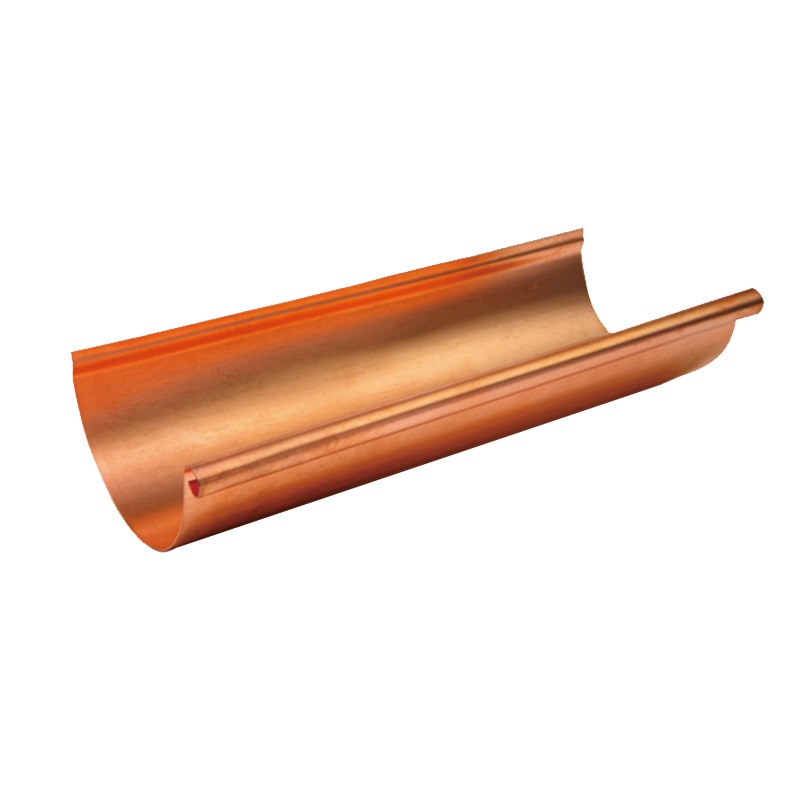
2. Downspouts: Downspouts connect to the gutters and direct the water to the ground or an underground drainage system. They are usually round or rectangular pipes made from various materials such as PVC, aluminum, copper, or stainless steel.

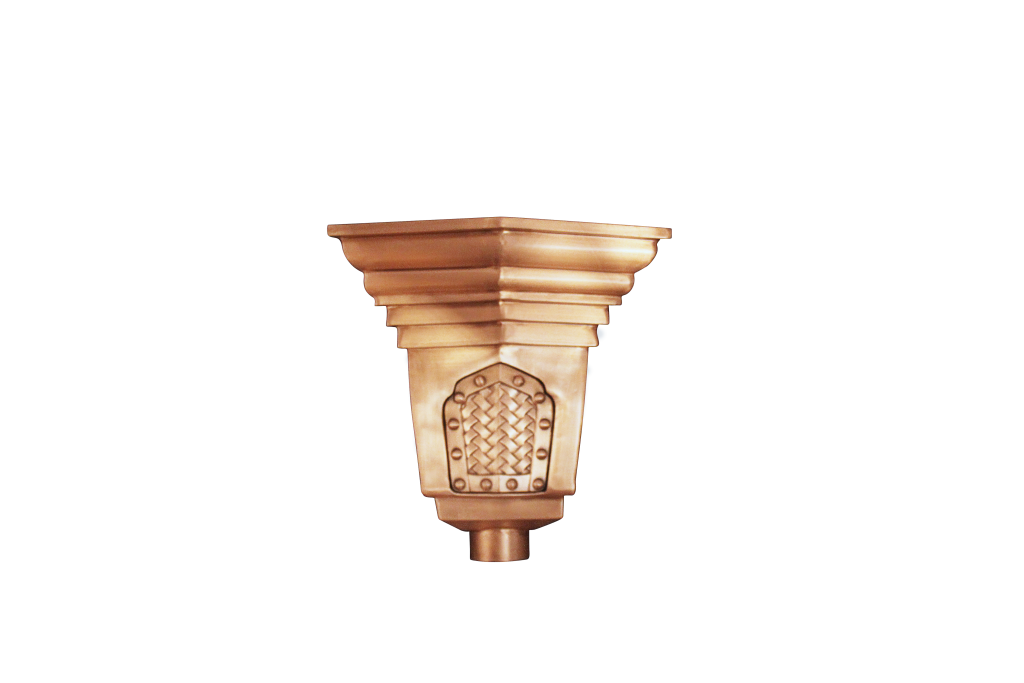
3. Conductor heads: Conductor heads are fittings installed at the top of the downspouts to direct water from the gutters into the downspouts. They often feature splash-proof designs to reduce the impact of water flow on the building.
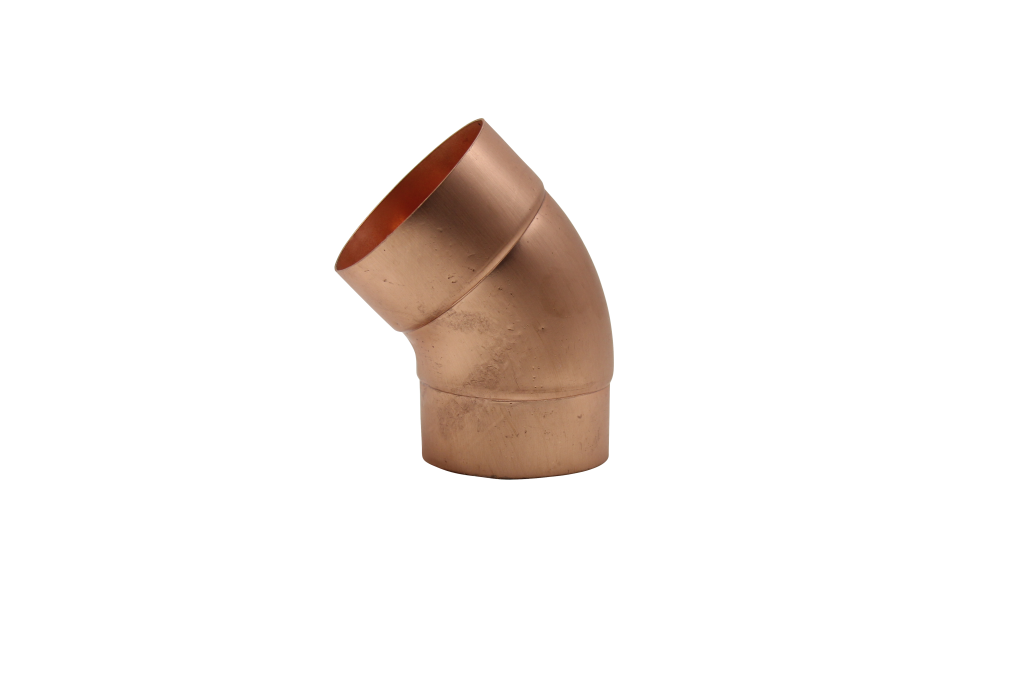
4. Elbows: Elbows are used to change the direction of the downspouts, allowing them to extend along the building’s exterior walls or around corners.
5. Extensions: Extensions are used to increase the length of the downspouts so they can be connected to a drainage point further away or a catch basin.
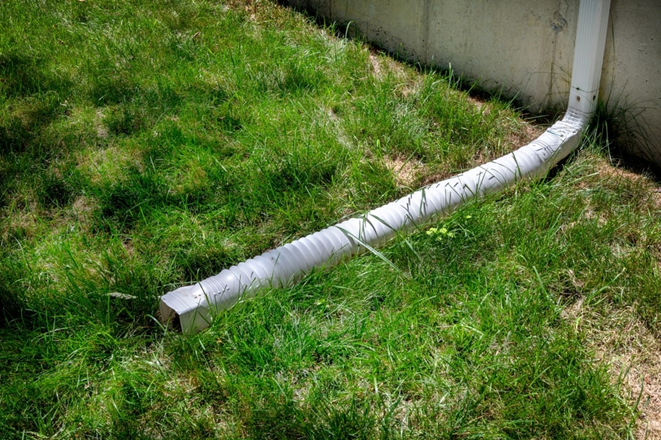
Image sourced from the internet
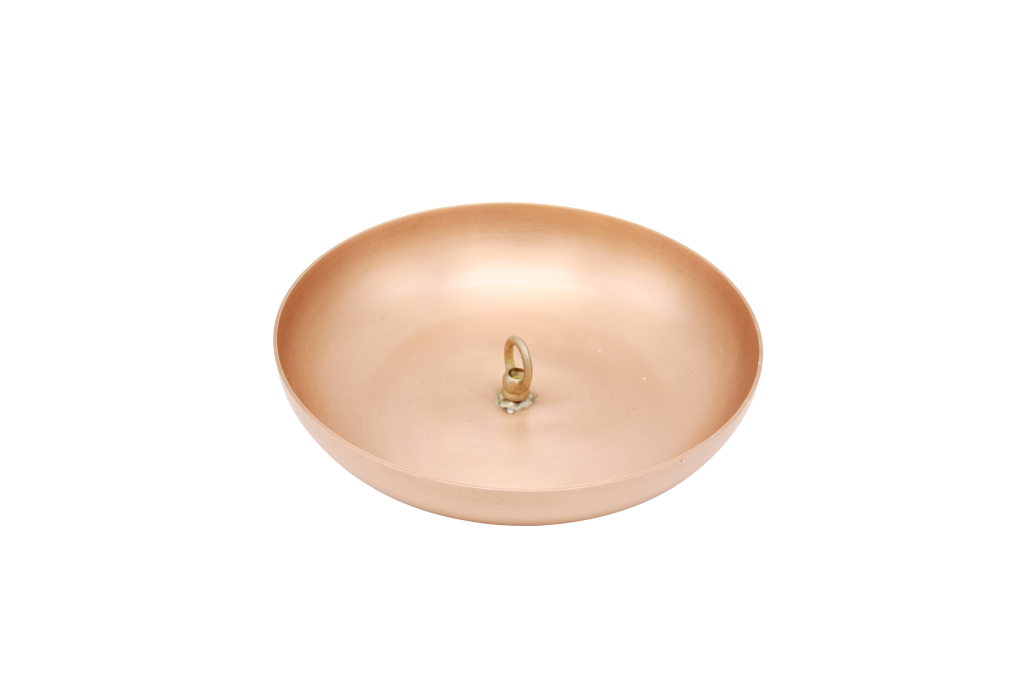
6. Basins: Basins are containers that collect and temporarily store rainwater until it can be pumped or naturally drained elsewhere. These are especially useful in areas without municipal drainage systems or where a large volume of rainwater needs to be managed.
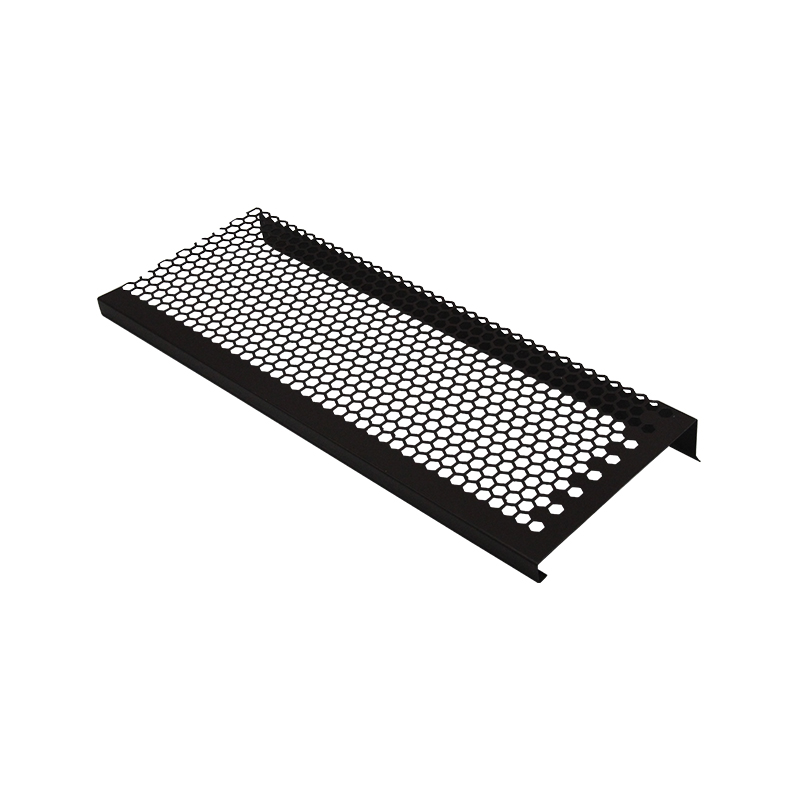
7. Gutter Guards or Filters: Installed inside the gutters, these guards prevent debris such as leaves and twigs from entering the drainage system, reducing the chance of blockages and maintenance work.
8. Flashing: Flashings are grooves on the ground used to direct rainwater to a specified discharge point, such as a garden, lawn, or street drainage system. (As known as drainage channel, corrugated roofing or Tuff Rib)
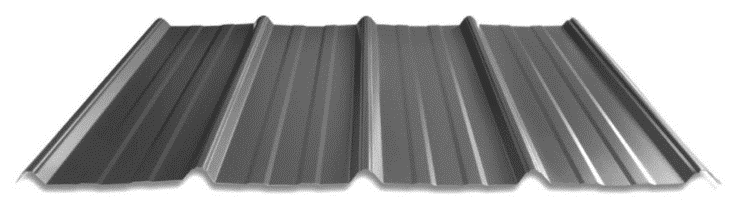
Image sourced from the internet
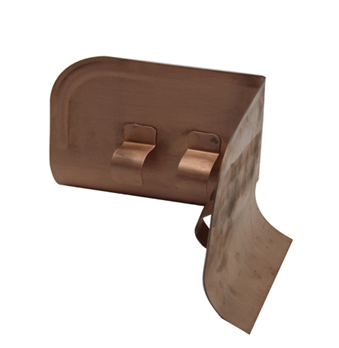
9. Splash Guard: Splash blocks are devices placed at the bottom of downspouts to slow down the flow of water and prevent soil erosion.
Like what ‘s written above, there are many styles of gutters. Here’s a more detailed look at the various designs, benefits, and considerations when choosing gutters for your home:
Designs and Shapes
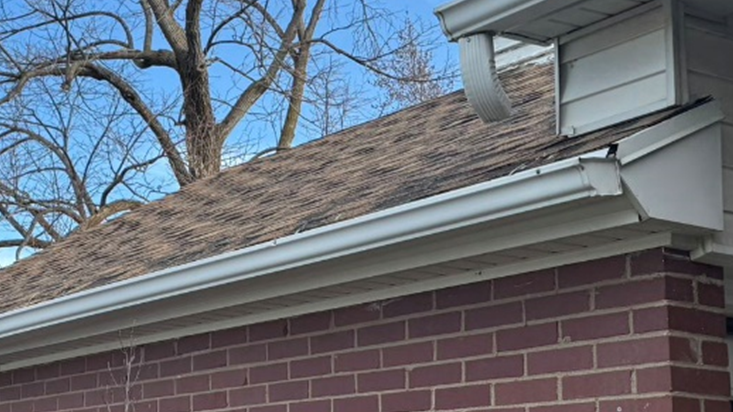
1. K-Style Gutters: These are among the most common types of gutters due to their versatility. They feature a flat back and a decorative front that resembles crown molding. K-style gutters are designed to handle a greater volume of water, making them suitable for areas with heavy rainfall. Their aesthetic appeal complements a wide range of home styles.
2. Half-Round Gutters: As a classic choice, half-round gutters offer a timeless look that is particularly well-suited for traditional or historic homes. They are typically 5 to 6 inches wide and should be paired with round downspouts for optimal water drainage.
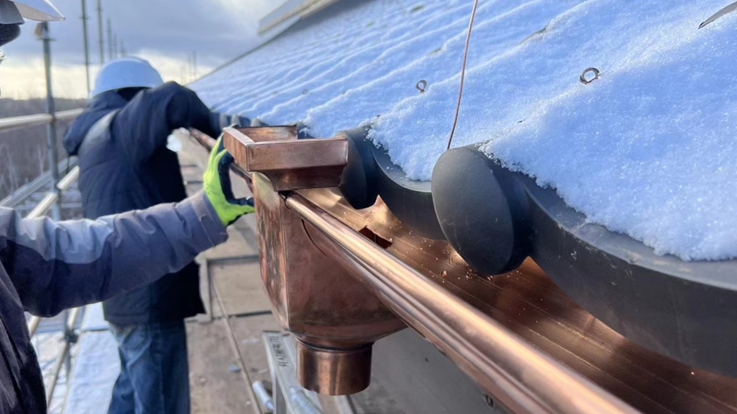
Gens gutter is including these 2 types, which are most famous and popular for clients all over the world. And what’s more, we can give a hand if you want a special design. Below are other styles of the gutter.
3. Fascia Gutters: These gutters are installed behind the fascia board, providing a clean and streamlined appearance. They are custom-made to fit the length of the fascia board, offering a seamless look from the exterior.
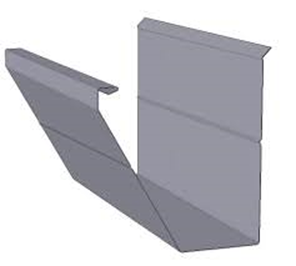
Image sourced from the internet
4. Box Gutters: With a minimalist and discreet design, box gutters are a popular choice for both functionality and curb appeal. They are durable and can handle heavy rainfall, making them suitable for various types of buildings.
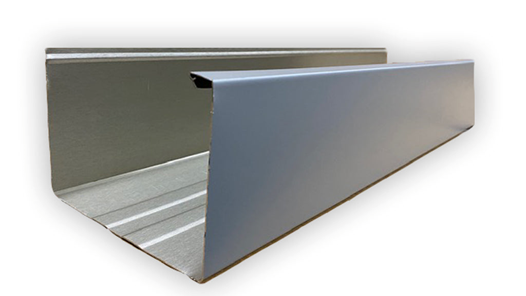
Image sourced from the internet
Installation and Cost
The cost of gutters can vary widely depending on the material used, ranging from $3 to $25 per foot. Aluminum and vinyl are more affordable options, while copper gutters are at the higher end of the price spectrum due to their durability and aesthetic appeal. Installation costs are typically around $2.50 per foot, but this can vary based on factors such as the complexity of the job, location, and any additional services required.
Types of Gutters
1. Aluminum: The most popular choice due to its lightweight nature, rust resistance, and affordability. Aluminum gutters can also be painted to match the exterior of your home, offering a high level of customization.
2. Copper: It’s definitely a lifetime product. Known for their elegance and longevity, copper gutters develop a distinctive patina over time, enhancing the appearance of a home. While more expensive, they offer a high-end solution for those seeking a timeless look.
3. Vinyl: While vinyl is not typically used for gutters due to its lower durability compared to other materials, it is a common option for sectional gutters.
4. Steel: Steel gutters are strong and durable, resistant to damage from debris and harsh weather conditions. Available in different gauges, steel gutters can be tailored to meet your specific needs and budget.
When selecting gutters, it’s important to consider factors such as your budget, the aesthetic preferences of your home, and the climate in your area. Each material has its unique benefits and considerations, and the right choice will depend on your specific needs and preferences. It’s also crucial to hire a professional contractor to ensure proper installation and to get the most out of your investment in gutters.


